What Is the Satoshi Test? FATF Compliance and Wallet Verification Explained
Crypto exchanges increasingly require the "Satoshi test" to verify wallet ownership under FATF Travel Rule mandates—here's what traders need to know about this growing compliance hurdle.
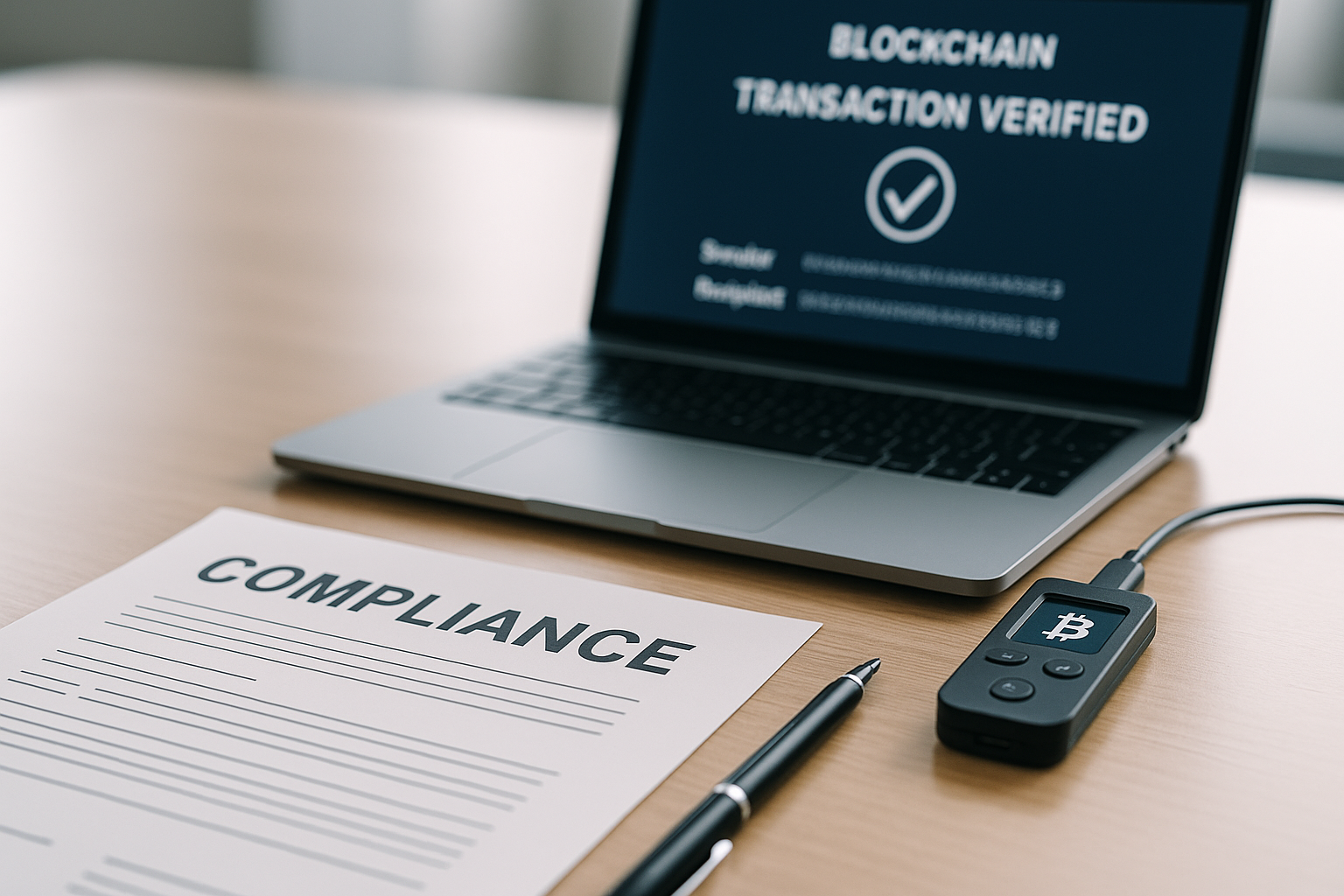
What Is the Satoshi Test?
The Satoshi test is a wallet ownership verification process that has become increasingly common across centralized exchanges and crypto platforms. Despite its name, there's no single standardized "test"—rather, it's a catch-all term for procedures Virtual Asset Service Providers (VASPs) use to comply with Financial Action Task Force (FATF) Travel Rule requirements and local AML regulations.
The mechanism is straightforward: users must prove control over a specific wallet address by sending a predetermined amount of crypto from that wallet. This verification helps exchanges meet regulatory obligations while theoretically reducing unauthorized transfers and illicit activity within the crypto ecosystem.
As regulatory scrutiny intensifies globally, more traders are encountering these verification requirements—often at inconvenient moments when attempting withdrawals or whitelisting new addresses.
Why VASPs Are Implementing Wallet Verification
The FATF, the international body that sets AML and counter-terrorism financing standards, established the Travel Rule to extend traditional financial surveillance to crypto. Under this framework, VASPs must collect and share originator and beneficiary information for transactions above certain thresholds.
The Satoshi test serves as one enforcement mechanism for these requirements. By forcing users to demonstrate wallet control, exchanges create an audit trail linking individuals to specific addresses—precisely the kind of data FATF guidelines demand.
Implementation varies significantly by jurisdiction. Some regions require verification for all withdrawals, while others apply thresholds. The patchwork nature of compliance means traders using multiple platforms may encounter different requirements depending on the VASP's domicile and risk appetite.
When Completion Is Mandatory
In many cases, completing the Satoshi test is not optional. VASPs may gate critical functions behind successful verification, including withdrawals to external wallets, whitelisting new addresses, or processing transactions above certain limits.
Failure to complete the test typically results in account restrictions. Funds may remain accessible for trading on-platform, but off-boarding becomes impossible until compliance requirements are satisfied. For traders who need quick access to their BTC during volatile market conditions, these delays can prove costly.
The requirements become particularly stringent in cases involving suspected fraud—either when the account holder is flagged as a potential bad actor or identified as a possible victim. Enhanced due diligence in these scenarios may involve stricter verification parameters or additional documentation requirements.
How the Test Works and Key Variations
The Satoshi test is not standardized. Each provider or responsible entity designs its own implementation based on its risk assessment and interpretation of applicable regulatory requirements.
Typically, the process involves:
1. The VASP specifies a wallet address the user claims to control
2. The exchange generates a random transaction amount
3. The user must send exactly that amount from the claimed wallet to a designated address
4. The VASP verifies the transaction on-chain and lifts restrictions
The amount required usually represents 4-8% of the total asset value being verified, though this varies by provider and circumstance. There are no fixed industry standards—some providers may require nominal amounts, while regulators or other responsible entities may expect different thresholds depending on their risk assessment and interpretation of applicable regulatory requirements.
This variability creates friction for users managing wallets across multiple exchanges. What constitutes acceptable verification at one VASP may differ entirely at another.
Before completing any Satoshi test, traders should verify several critical details:
Receiving address: The whitelisted destination should be a wallet you personally control—never an address provided by a third party
Transaction details: Review on-chain parameters carefully before broadcasting
A legitimate Satoshi test should only involve wallets in your possession. If you're asked to send funds to an address you don't control, or if the request comes through unofficial channels, it's likely a phishing attempt.
The Compliance Burden on Bitcoin Users
For Bitcoin maximalists and self-custody advocates, the Satoshi test represents another encroachment of traditional finance surveillance onto crypto infrastructure. The requirement effectively creates a KYC link between on-chain addresses and real-world identities—precisely what many early adopters sought to avoid.
As cybercrime concerns mount and regulators tighten enforcement, VASPs are implementing increasingly strict verification protocols. This trend shows no signs of reversing. Traders who prioritize privacy may find themselves pushed toward P2P platforms, DEXs, or non-KYC on-ramps as centralized exchanges adopt more invasive compliance measures.
The fragmented implementation of these tests also creates operational headaches. Without industry-wide standards, users must navigate different requirements across platforms, increasing complexity and potential for errors.
For now, the Satoshi test remains one more friction point in the growing tension between regulatory demands and crypto's foundational principles of financial sovereignty and pseudonymity.