The growing connection between bitcoin and digital-first generations
13 August 20266 minutes · By Yotam DovBitcoin’s relationship with the internet has changed considerably since its launch in 2009. What began primarily as a peer-to-peer payment experiment has developed into. . .
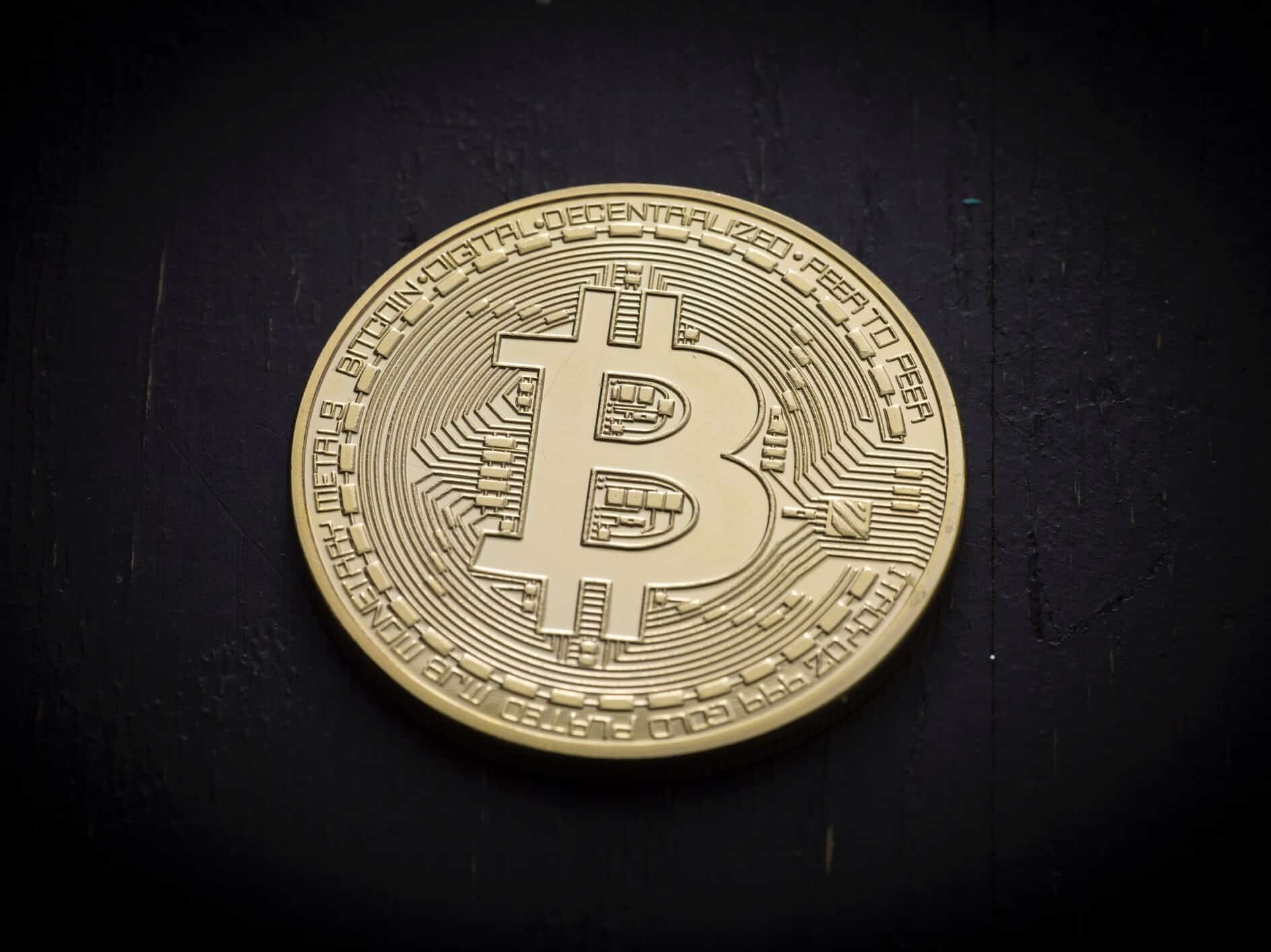
13 August 20266 minutes · By Yotam DovBitcoin’s relationship with the internet has changed considerably since its launch in 2009. What began primarily as a peer-to-peer payment experiment has developed into an asset discussed across financial media, online communities and popular culture. For younger audiences, cryptocurrency can appear less as a niche financial concept and more as another part of the digital environment they already inhabit. Photo by Thought Catalog on UnsplashThat shift is partly reflected in how younger people encounter financial information. Social media, creators and online communities increasingly sit alongside traditional news and financial publications as sources of market information. A simple search for theBitcoin to USDvalue, for example, can take place alongside conversations about technology, music, gaming or current events rather than within a dedicated investment setting. This does not mean younger generations are automatically more knowledgeable about cryptocurrency, or that Bitcoin has become a mainstream payment method. Instead, it points towards a different route into financial information. The same platforms used to discover music, follow creators and communicate with friends can also expose users to market movements, investment commentary and crypto-related culture. From Financial Product to Internet CultureBitcoin’s cultural presence has been helped by one defining characteristic of internet communication: information travels quickly between communities. A market movement can become a headline, a post can become a meme, and a meme can introduce a financial concept to someone who has never read a traditional investment article. Research by ScienceDirect in 2024 into cryptocurrency-related social media found connections between online discussion, search activity and market behaviour, demonstrating howdigitalengagement can influence how assets are perceived and traded. The distinction between visibility and adoption is important. A large volume of Bitcoin-related content does not necessarily mean that millions of young users are becoming investors. It does, however, show how the boundaries between financial information and entertainment have become less defined. For someone scrolling through X, TikTok or a Discord community, an explanation of Bitcoin may arrive as a chart, joke or short video rather than a conventional financial article. The format changes how the information is encountered, even when the underlying subject remains the same. Why Younger Investors Are Entering Through Digital CommunitiesThe growing involvement of younger users in financial markets is not limited to cryptocurrency. Recent Binance Research data found thatGen Zwas the largest user cohort trading Direct Stocks, bStocks and TradFi Perps on the platform, generating an aggregate $80 billion in trading volume across those products. The research also found that 30% of Gen Z users began investing during university or early adulthood. The figures provide an indication of earlier exposure to financial markets, although they should not be interpreted as representing Gen Z investors globally. They also suggest that the boundaries between different asset classes may be less rigid for younger users who encounter stocks, cryptocurrencies and other financial products through the same digital services. Technology is part of this shift. Younger users can discover financial information through creators, recommendation systems and peer networks, allowing market commentary to circulate outside traditional financial publications. This can make financial topics more accessible, but it can also make reliable information harder to distinguish from speculation. Social platforms reward engagement, meaning financial content can be presented in ways designed to provoke an emotional response. A dramatic price movement is more likely to attract attention than a discussion of market structure, portfolio diversification or long-term risk. Where Music and Crypto IntersectThe relationship between cryptocurrency and music provides a useful example of how digital communities overlap. The music industry has experimented with blockchain technology, NFTs and direct-to-fan models for several years. In 2022, the Recording Academy announced Binance as the first official cryptocurrency exchange partner of the GRAMMY Awards. The partnership was intended to explore Web3 technology and experiences for the Academy and its community. The connection is not particularly surprising. Both music and cryptocurrency have developed strong online communities, while artists increasingly rely on digital platforms to communicate directly with audiences. Blockchain projects have consequently explored applications ranging from digital ownership to alternative approaches to music distribution. Audius is one example. The blockchain-based music platform is built around a decentralised model that aims to give artists greater control over distribution and create a more direct relationship between musicians and listeners. Its current platform reports more than 40,000 monthly active artists, illustrating that blockchain-based music infrastructure has developed beyond isolated experiments. That does not mean cryptocurrency has transformed the music business. Mainstream adoption of blockchain-based music models remains limited, and several high-profile Web3 projects have struggled to establish lasting consumer demand. The significance instead lies in the overlap between communities built around digital ownership, creators and online participation. Memes Turn Market Movements Into Cultural MomentsMemes provide perhaps the clearest example of this crossover. Cryptocurrency has developed a particularly strong relationship with internet humour because financial markets provide an endless supply of dramatic narratives: rallies, crashes, reversals and predictions about what might happen next. Meme coins have taken this relationship even further, with social media and community participation playing an important role in their visibility. For younger audiences, a meme can therefore become an initial point of contact with a financial concept. It provides context without requiring an understanding of market terminology immediately. There is a downside. Turning financial assets into cultural shorthand can make complex risks appear deceptively simple. A joke about a price increase may communicate excitement without explaining why the movement occurred, while viral claims about potential returns can direct attention towards short-term performance rather than volatility and potential losses. A New Relationship Between Finance and CultureBitcoin’s cultural relevance among digital-first generations is ultimately less about replacing traditional finance and more about changing where financial conversations take place. Financial information can now sit within the same digital ecosystem as music discovery, gaming, creator content and online communities. An asset can be discussed as an investment one moment and referenced as a cultural symbol the next. Online visibility does not necessarily translate into widespread ownership. Instead, it demonstrates how digital-native audiences are encountering financial concepts through systems built around participation, sharing and community. As these audiences become a larger part of the investment scene, the way financial information is discovered and understood could become as important as the assets themselves. Bitcoin’s journey from a technical concept to an established part of internet culture offers an early example of that shift. Purchases made through our links may earn us a small commission — at no extra cost to you.