Crypto Oversight in the Spotlight After Warren Questions Federal Regulation
U. S. Senator Elizabeth Warren pressed the CFTC over whether it can effectively police fast-growingcryptoandprediction markets. Her letter cited staffing cuts, declining enforcement, and potential industry and. . .
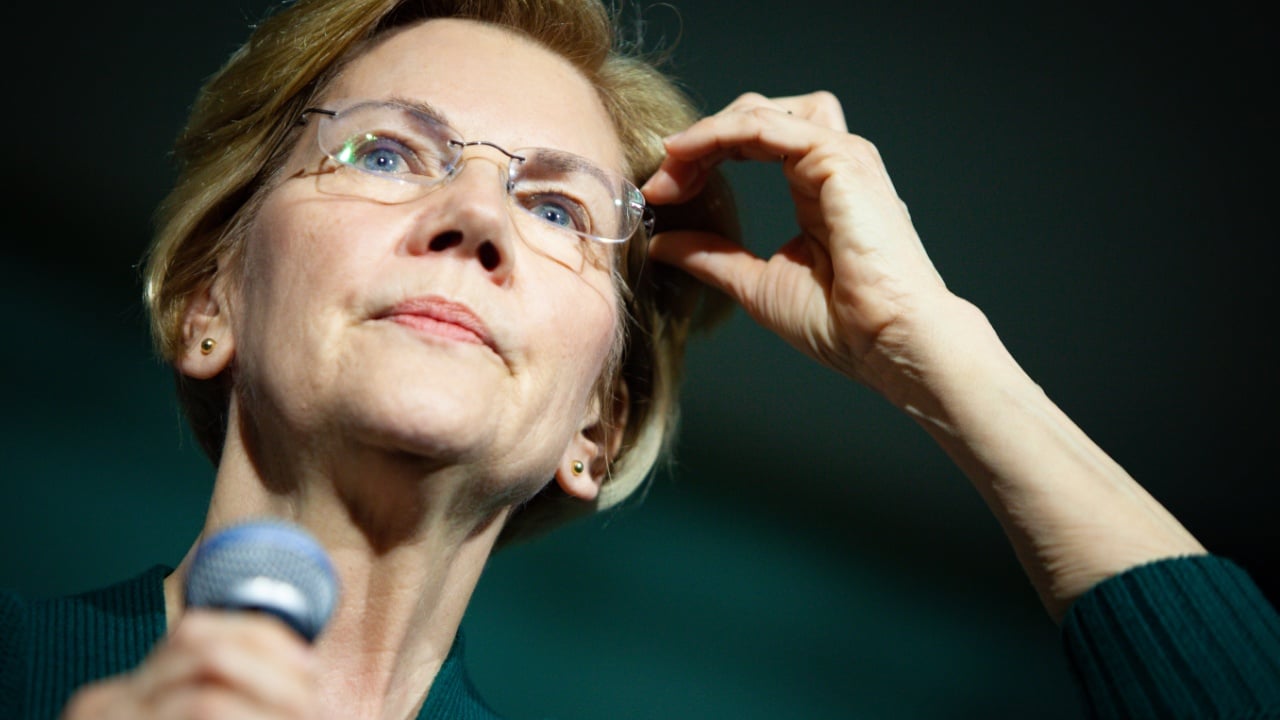
U. S. Senator Elizabeth Warren pressed the CFTC over whether it can effectively police fast-growingcryptoandprediction markets. Her letter cited staffing cuts, declining enforcement, and potential industry and political influence as risks to investors. Key TakeawaysSenator Warren questioned whether the CFTC can oversee crypto and prediction markets with fewer staff. Prediction markets face growing scrutiny as federal and state regulators clash over event contracts. Congress may expand CFTC authority while Warren seeks records on industry contacts and enforcement decisions. CryptoOversight in the Spotlight After Warren Questions Federal RegulationU. S. Senator Elizabeth Warren on June 8 announced an inquiry into whether the Commodity Futures Trading Commission (CFTC) can effectively regulatecryptocurrencyandprediction markets. In a letter to CFTC Chairman Michael Selig dated June 5, she cited staffing cuts, declining enforcement, political pressure, and reports of industry influence as risks to investor protection and market integrity. Prediction markets, which allow trading on future events, are growing rapidly and require robust oversight. Weak staffing and enforcement could leave these platforms andcryptocurrencyexchanges vulnerable to manipulation. She wrote:“Asprediction marketsballoon in size, and Congress advances legislation that threatens to loosen the guardrails oncryptocurrency, the CFTC’s reported capture by industry poses severe risks to American families and our economy. ”The CFTC has escalated its fight with states overprediction markets. The agencysuedArizona, Connecticut, and Illinois, challenging state actions against CFTC-registered designated contract markets. It later suedNew York,Wisconsin, andRhode Island, arguing that federal law preempts state gambling laws for event contracts traded on federally regulated platforms. The agency’scryptorole is expanding through coordination with the Securities and Exchange Commission (SEC). In March, the CFTC and SEC announced amemorandumof understanding on coordination, market integrity, investor protection, and customer protection. The agencies later issued jointcryptoguidanceclarifying how federal securities laws apply to certaincryptoassets and transactions. Political Influence and Regulatory Capture Raise ConcernsThe letter cited a roughly 25 percent staffing reduction and declining enforcement actions. Records of communications between the CFTC andcryptocurrencyandprediction marketfirms were requested, along with information about employees placed on administrative leave following enforcement-related actions. Trump-linked business interests and ties between market participants and government officials, according to the letter, raise questions about the agency’s independence and susceptibility to political influence. The Massachusetts senator wrote:“Taken together, these are concerning signs of a CFTC beholden to political pressures and interests of the wealthy insiders, unbound by the rule of law and failing to protect investors and market integrity. ”The inquiry also asked Selig to clarify the CFTC’s jurisdiction and rulemaking authority overprediction marketsandcryptocurrency. Reduced staffing, fewer enforcement actions, and political pressure could weaken investor protections while Congress considers expanding the agency’s digital asset responsibilities.