Bitcoin Climbs Above $65,000 as US-Iran Talks Ease Fears and Lift Risk Appetite
Bitcoinbegan the final week of June by rebounding from a Sunday low of $63,197 to peak at an intraday high of $65,555. Key TakeawaysBitcoin surged to an intraday high of $65,555 as U. S. -Iran peace talks eased. . .
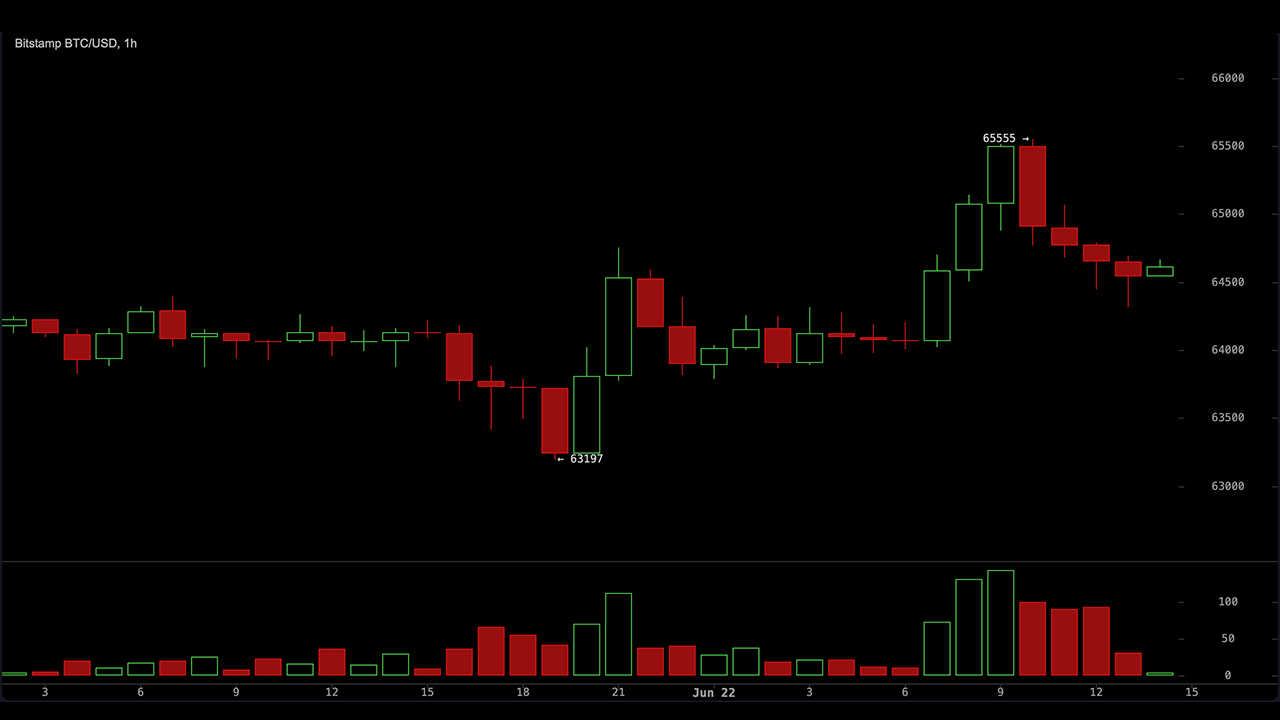
Bitcoinbegan the final week of June by rebounding from a Sunday low of $63,197 to peak at an intraday high of $65,555. Key TakeawaysBitcoin surged to an intraday high of $65,555 as U. S. -Iran peace talks eased global market anxieties. The crypto recovery lifted bitcoin’s market cap past $1. 3 trillion, while the Nasdaq fell by over 1%. Bitfinex analysts forecast bitcoin compression within a $62,000 to $64,000 range due to macro factors. BitcoinRebounds Past $65,000 Mark Following Sunday LowsBitcoinopened the last week of June on the ascendancy, rising past the $65,000 threshold as global markets digested the latest on U. S. -Iran peace negotiations. Daily market data indicated that while the topcryptocurrencyinitially trended downward, reaching an intraday low of $63,197 late Sunday, it climbed back above $64,000 by midnight. Thecryptocurrencylargely held above that threshold until shortly after 7 a. m. EDT, when it kicked off a rally that peaked at an intraday high of $65,555. The last timebitcointraded around that level was June 17, the day before it plunged to $62,200. However, a brief sell-off shortly afterward dragged the asset back well under $65,000. At the time of writing (1:04 p. m. EDT),bitcoinwas trading just above $64,600, representing a 24-hour gain of nearly 1%. However, the rebound was not enough to erase thecryptocurrency’s weekly loss, which stood at just under 4%. The recovery briefly liftedbitcoin’s market capitalization past the $1. 3 trillion mark, pushing the broadercryptoeconomy’s capitalization to $2. 3 trillion. While Iran’s weekend closure of the Strait of Hormuz threatened a fragile Middle East ceasefire, meetings in Switzerland between Washington and Tehran negotiators allayed fears that their memorandum of understanding would unravel. According to reports, the sides eventually agreed to allow inspectors to return to Iranian nuclear sites. They also agreed to establish a conflict control unit to stabilize front lines across the Middle East, including Lebanon. Additionally, Iran said it had signed an agreement with Qatar on the release of its frozen assets, while the U. S. reportedly handed over sanctions-relief documents allowing Tehran to freely sell oil and related products. Market reactions to the geopolitical developments were mixed. Crude oil prices dropped 3%, while Asian equities closed higher. On Wall Street, the Nasdaq composite was down more than 1% at the time of writing—driven primarily by a pullback in artificial intelligence momentum stocks and megacaps—while the S&P 500 slipped 0. 3%. Goldfell 1. 1% as risk-on sentiment and a firm U. S. dollar pressured the metal. Meanwhile, a report by Bitfinex analysts noted thatbitcoincontinues to trade within anestablished consolidation zonebetween $62,500 and $72,000, with neither bulls nor bears firmly in control. The report added that while the price floor remains intact, two keybullishcriteria remain unfulfilled: consistent exchange-traded fund (ETF) inflows and a stabilization of the derivatives market. Furthermore, declining ETF volumes suggest “a market in limbo rather than one entering a sustainedbearishphase. ”The Bitfinex analysts also asserted that investor nervousness persists as attention shifts back tomonetary policy. “Bitcoincontinues to trade largely in lockstep with the Nasdaq-100 and broader equity markets, and Bitfinex analysts anticipate either further compression within the $62,000–$64,000 range or broader oscillations between $60,000 and $70,000 as markets digest post-FOMCvolatilityand ongoing geopolitical developments in the Middle East,” the report stated.